
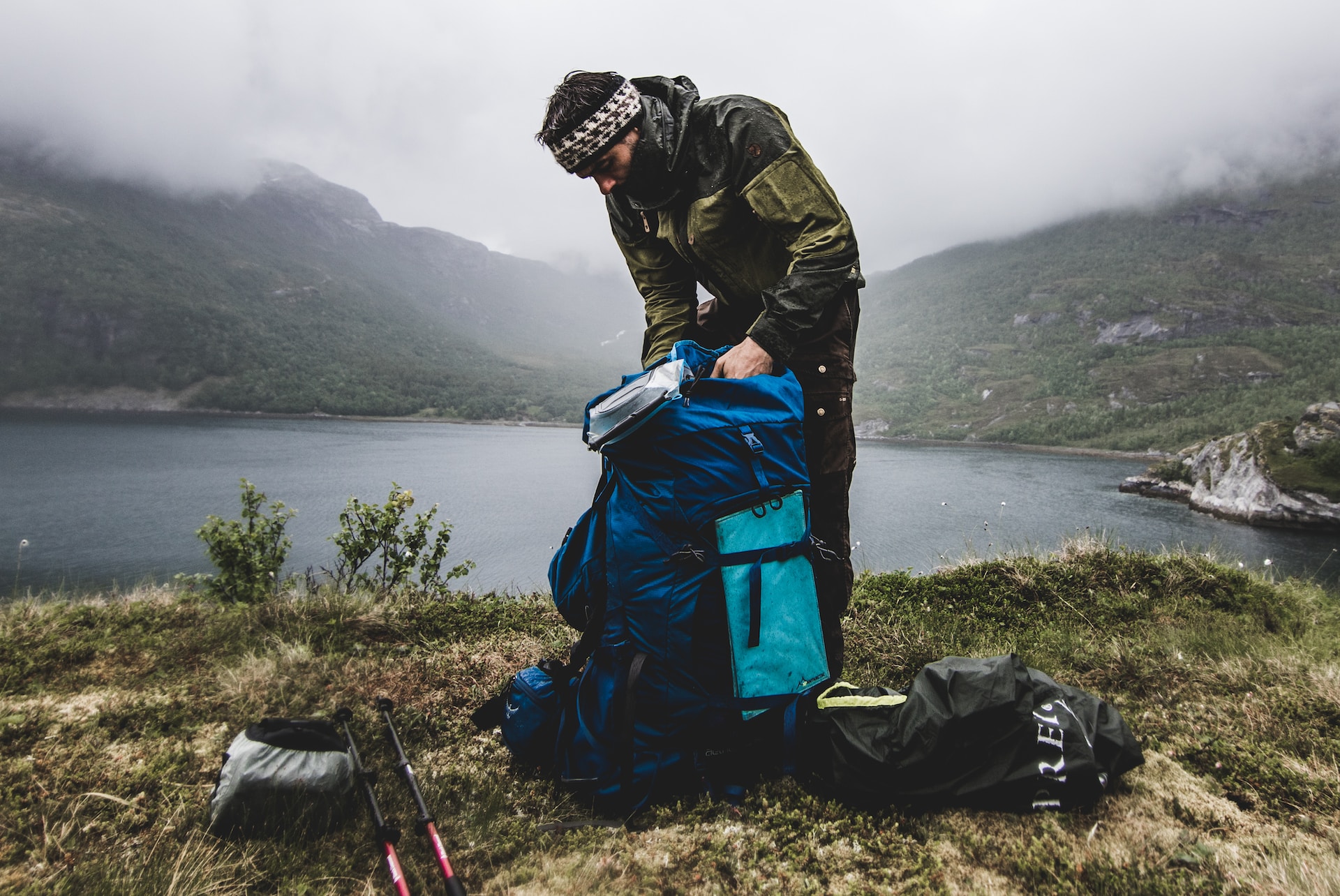
Outdoor gear can get complicated fast.
You start looking for a simple backpack, pair of trail pants, cycling helmet or set of goggles, and suddenly you are comparing dozens of materials, technical specifications and features that all sound essential.
Some of them matter.
Many of them probably do not.
The best outdoor gear is not necessarily the most expensive, the lightest or the product with the longest list of features. It is the gear that fits your activity, environment, experience level and the way you actually use it.
Before spending money on your next piece of equipment, here is how to make a smarter choice.
Start With the Activity
The first question should always be:
What am I actually going to use this for?
That sounds obvious, but it is easy to get distracted by products designed for activities far more demanding than your own.
Someone taking short weekend hikes has different equipment needs from someone planning a multi-day backcountry trip.
A casual cyclist riding paved trails does not necessarily need the same helmet or clothing as someone training for long-distance road rides.
The same is true for:
- Hiking
- Running
- Cycling
- Camping
- Backpacking
- Kayaking
- Paddleboarding
- Skiing
- Snowboarding
- Travel
Define the activity before looking at features.
It immediately removes a large number of unnecessary options.
Think About Where You Will Use the Gear
Environment changes everything.
A jacket that works well in dry Colorado conditions may not be ideal for wet Pacific Northwest weather.
A backpack designed for city travel may feel uncomfortable after hours on a mountain trail.
A lightweight summer sleeping system may be completely inappropriate once temperatures drop.
Consider:
- Temperature
- Rain
- Wind
- Humidity
- Terrain
- Elevation
- Sun exposure
- Water exposure
The more closely your equipment matches the environment, the better it is likely to perform.
Fit Matters More Than Features
This is especially important for anything you wear or carry.
A technically impressive product is not useful if it is uncomfortable.
Backpacks
A backpack should sit comfortably against your body without pulling excessively on your shoulders.
For larger packs, torso length and hip belt fit can matter significantly.
Helmets
A cycling helmet should fit securely without creating painful pressure points.
It should stay in place when properly adjusted rather than moving freely around your head.
Running and Hiking Clothing
Outdoor clothing should allow you to move naturally.
Too tight and it can restrict movement.
Too loose and excess fabric may create discomfort, especially during repetitive activities.
Goggles
Water and snow goggles need a secure seal and should work comfortably with whatever other equipment you wear.
Fit can be difficult to judge from specifications alone, which is why sizing information and real-world testing matter.
Do Not Pay for Features You Will Never Use
Outdoor products often compete by adding more.
More pockets.
More adjustment points.
More coatings.
More technical materials.
More accessories.
More specialized features.
Sometimes those improvements are useful.
Sometimes they simply increase the price.
Imagine you are choosing a hiking backpack.
One model may include an advanced suspension system, ice axe attachment, hydration compatibility, multiple compression straps and several technical gear loops.
That sounds impressive.
But if you mainly take two-hour local hikes carrying water, snacks and a light jacket, many of those features may never be used.
Buy equipment for your real adventures, not imaginary ones.
Understand the Difference Between Waterproof and Water-Resistant
These terms are often misunderstood.
A water-resistant product can usually handle light moisture or brief exposure.
A genuinely waterproof product is designed to prevent water penetration under more demanding conditions, although performance can still depend on construction, seams and proper use.
This difference matters particularly for:
- Jackets
- Pants
- Backpacks
- Footwear
- Dry bags
- Electronic accessories
If you occasionally walk in light rain, extreme waterproofing may not be necessary.
If you regularly hike in sustained rain or participate in water sports, protection becomes much more important.
Choose based on likely exposure rather than the strongest specification available.
Breathability Matters Too
Waterproof protection is only part of the equation.
During active outdoor pursuits, your body generates heat and moisture.
A jacket that prevents rain from getting in but traps excessive moisture inside can still leave you uncomfortable.
For activities such as hiking, running and cycling, breathability often deserves as much attention as weather resistance.
Think about intensity.
Someone standing around a campsite has different needs from someone climbing a steep trail.
Pay Attention to Materials
You do not need to become a textile engineer, but understanding a few basic material differences can help.
Synthetic Fabrics
Synthetic materials are widely used in outdoor clothing because they can be lightweight, quick-drying and durable.
Merino Wool
Merino is popular for base layers because it can help manage moisture and odor, although it is often more expensive.
Cotton
Cotton can be comfortable for casual use but tends to hold moisture, making it less suitable for some demanding outdoor conditions.
Nylon and Polyester
Both appear frequently in backpacks, outerwear and technical clothing.
The specific construction matters more than simply seeing the material name on the label.
Instead of assuming one fabric is always better, consider how it performs in the activity you are planning.
Weight Matters, But Not Always
Lightweight outdoor equipment gets a lot of attention.
There is a good reason for that.
When you carry equipment for miles, every ounce matters.
But lighter is not always automatically better.
Reducing weight can sometimes mean:
- Less durability
- Fewer features
- Higher cost
- Reduced comfort
For backpacking, weight savings can be extremely valuable.
For car camping, saving a few ounces on your camp chair probably does not matter nearly as much.
Ask yourself whether you are actually carrying the item long enough for weight to become important.
Durability Can Be Worth Paying For
Some outdoor equipment receives serious abuse.
Backpacks get dragged across rough surfaces.
Cycling gear gets exposed to sweat and weather.
Water gear deals with repeated moisture.
Trail clothing encounters branches, rocks and dirt.
Buying the cheapest possible product sometimes leads to replacing it much sooner.
That does not mean expensive gear is always more durable.
Price alone is not a reliable indicator of quality.
Instead, look at:
- Construction
- Stitching
- Zippers
- Buckles
- Fabric thickness
- Reinforcement in high-wear areas
- Warranty information
A slightly more expensive item that lasts several years may offer better value than a cheaper version replaced repeatedly.

Safety Gear Deserves Extra Attention
Certain equipment should never be treated as just another accessory.
Cycling helmets, climbing equipment and other safety-related products need to meet appropriate standards for their intended use.
When purchasing protective equipment, prioritize:
- Correct fit
- Relevant safety certification
- Proper condition
- Appropriate use
Avoid making a safety decision based solely on appearance or price.
This is one area where understanding exactly what you are buying matters.
Choose the Right Backpack for the Trip
Backpacks are a good example of why matching gear to the activity matters.
Daypacks
For shorter hikes, a compact daypack may provide enough room for water, food, extra clothing and basic essentials.
Travel Backpacks
Travel-focused packs may prioritize easy access, organization and laptop storage.
Hiking Packs
Hiking designs often focus more heavily on load distribution, ventilation and outdoor durability.
Multi-Day Packs
Longer trips require significantly more carrying capacity and a more supportive suspension system.
Buying the largest possible backpack “just in case” often encourages overpacking.
Buy for the majority of trips you actually take.
Outdoor Clothing Should Work as a System
Instead of looking at one piece of clothing in isolation, think about layers.
A common approach includes:
Base Layer
Helps manage moisture close to the body.
Mid Layer
Provides insulation.
Outer Layer
Offers protection from wind, rain or snow.
This system lets you adjust as conditions change.
It can also be more versatile than relying on one extremely heavy jacket.
For runners and cyclists, layering may be much lighter, but the same basic principle applies: dress for changing temperature and effort levels rather than simply the temperature when you leave home.
Running Gear Should Prioritize Movement
When choosing running clothing, comfort during repetitive movement is critical.
Look for features that matter in actual use:
- Comfortable waistband
- Secure storage
- Reduced chafing
- Breathable fabric
- Weather suitability
- Visibility where appropriate
More pockets are not automatically better.
A pocket that causes your phone to bounce with every step may be less useful than a simple secure design.
Small details can become very noticeable several miles into a run.
Cycling Helmets Need Proper Fit
When choosing a cycling helmet, resist the temptation to focus primarily on design.
Fit comes first.
The helmet should sit correctly on your head and remain stable when adjusted.
Consider:
- Sizing range
- Adjustment system
- Ventilation
- Weight
- Intended riding style
- Relevant safety standards
A helmet that feels uncomfortable is more likely to be adjusted incorrectly or left at home.
Comfort and safety often work together.
Water Sports Gear Needs a Different Approach
Water changes the way equipment needs to perform.
For swimming, paddling, kayaking and other water activities, consider:
- Water resistance
- Secure fit
- Drainage
- Quick-drying materials
- Corrosion-resistant components
- Visibility
Goggles, for example, need more than clear lenses.
Fit, seal, lens type and intended environment all affect performance.
A pair designed for a swimming pool may not provide the same experience as goggles intended for open-water conditions.
Think About Storage and Transportation
Some outdoor equipment looks great until you have to get it home.
Before buying large gear, think about where you will store it.
Ask:
- Will it fit in my car?
- Can I carry it easily?
- Where will I keep it at home?
- Does it fold or compress?
- Will storage conditions damage it?
This matters for camping equipment, bikes, water sports gear and bulky winter equipment.
The best gear is equipment you can realistically transport and maintain.
Read Reviews for the Right Reasons
Reviews can be extremely useful when they focus on actual use.
Pay attention to comments about:
- Long-term comfort
- Durability
- Sizing
- Weather performance
- Common failures
- Ease of adjustment
- Real dimensions
- Maintenance
Be more cautious with reviews that simply repeat specifications.
A manufacturer can tell you how many pockets a backpack has.
A useful reviewer tells you whether those pockets are easy to reach while hiking.
That difference matters.
Look for Reviews From People Who Use Gear Like You Do
A negative review does not always mean a bad product.
Someone may dislike a lightweight running jacket because it is not warm enough for standing outside in winter.
That does not mean it fails as a running jacket.
When reading opinions, ask:
Does this person use the product the same way I plan to use it?
Context makes reviews far more useful.
Avoid Buying Everything at Once
Beginners often feel pressure to buy an entire outdoor setup before getting started.
Usually, you can build your equipment collection gradually.
Start with the essentials.
Use them.
Learn what you like.
Then upgrade where necessary.
Experience often changes your priorities.
After several hikes, you may realize backpack comfort matters more than capacity.
After cycling regularly, you may care more about ventilation than you expected.
After your first camping season, you may discover which equipment you barely used.
Real experience is one of the best buying guides available.
When Is It Worth Spending More?
Higher-priced equipment may be worth considering when:
- Safety is involved
- Fit is significantly better
- You use the item frequently
- Durability matters
- Weight reduction provides a genuine benefit
- Better materials improve comfort
- Repair or warranty support is stronger
You do not need premium equipment in every category.
Spend strategically.
If you hike every weekend, comfortable footwear may deserve more of your budget than a specialized accessory you use twice a year.
When Can You Save?
There are plenty of areas where budget-friendly gear can work perfectly well.
You may be able to save on:
- Simple accessories
- Basic organizers
- Casual outdoor clothing
- Gear used infrequently
- Products where technical performance is less important
Previous-generation products can also offer strong value.
Outdoor brands regularly update designs, and older versions may be discounted even when the performance difference is relatively small.
Do Not Forget Maintenance
Buying good gear is only half of the equation.
Taking care of it helps protect your investment.
Different products require different maintenance, but basic habits include:
- Cleaning equipment after dirty trips
- Drying wet gear completely
- Following washing instructions
- Inspecting straps and buckles
- Checking safety equipment regularly
- Storing items properly
- Repairing small problems before they become large ones
A quality product can still fail early if it is consistently stored wet, dirty or compressed incorrectly.
Keep a Simple Gear Checklist
Before a trip, use a checklist instead of relying on memory.
Organize it into categories such as:
- Clothing
- Navigation
- Hydration
- Food
- Safety
- Weather protection
- Activity-specific equipment
Then remove anything that does not make sense for that particular trip.
A checklist can prevent forgotten essentials without encouraging unnecessary packing.
The Best Gear Is the Gear You Trust
Outdoor equipment should make your adventure easier, safer and more enjoyable.
It should not become another source of stress.
Ignore the pressure to own the newest product in every category.
Focus instead on equipment that:
- Fits properly
- Matches your activity
- Performs in your environment
- Offers reasonable durability
- Fits your budget
At Alpine Edge Gear, that is the approach we believe matters most.
Gear should earn its place in your pack, on your bike or in your outdoor kit through real-world performance—not marketing language.
Choose carefully, take care of what you own, and spend your time thinking less about equipment and more about where it can take you.
Adventure is the point.
The gear is there to help you reach it.
Author

Related Posts
Cycling Helmet Buying Guide: What Actually Matters for Safety?
A cycling helmet is one of the simplest pieces of gear you can buy, but choosing the right one is not always...
Read out all
Lectric XPeak High-Step 2.0: Rugged Performance Meets Long-Range Capability
The Lectric XPeak High-Step 2.0 Long-Range eBike enters a competitive market with promises of extended range, robust all-terrain performance, and a host...
Read out all
1UP USA 60″ Hitch-Mounted Cargo Carrier: Robust Design and Versatile Utility
Hitch-mounted cargo carriers offer a practical solution for outdoor enthusiasts needing to expand their vehicle’s carrying capacity. 1UP USA, a brand well-regarded...
Read out all
Smith Trace MIPS Helmet: Advanced Protection and Versatility for Modern Cyclists
The Smith Trace MIPS Bike Helmet is engineered for cyclists seeking a versatile solution that doesn’t compromise on protection or comfort across...
Read out all