
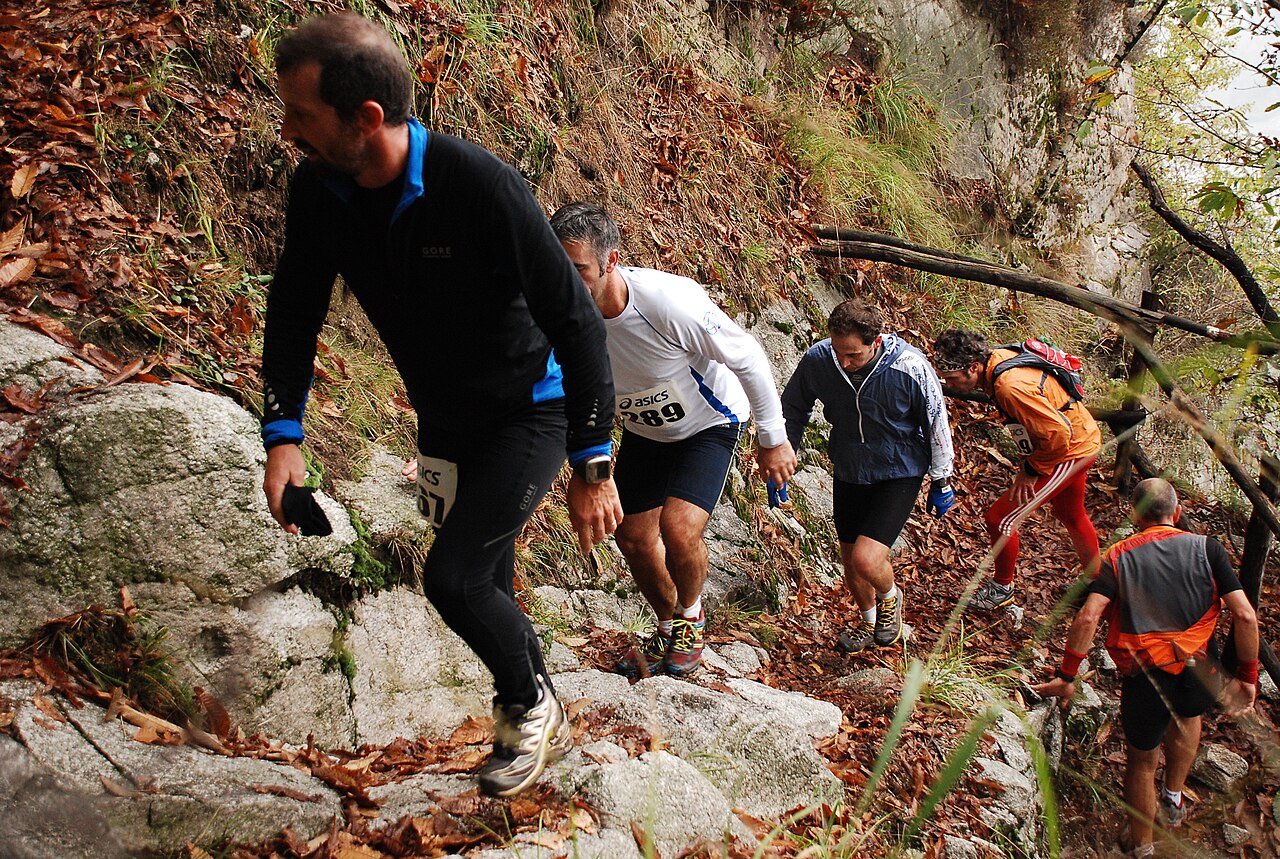
Choosing between trail running shoes and road running shoes looks straightforward on paper—run on dirt, wear trail shoes; run on pavement, wear road shoes. In practice, most runners spend time on mixed routes: neighborhood sidewalks that lead into gravel park paths, wet leaves over asphalt, or packed fire roads on weekend long runs.
Picking the wrong shoe for your primary terrain does not just cost you speed. It changes how your ankles stabilize on uneven ground, how quickly your outsole wears down, and how fresh your legs feel past mile six. Here is a practical breakdown of how trail and road running shoes actually differ—and how to choose the pair that matches your body, surfaces, and training goals.
The Core Structural Differences
Even when two shoes look similar from the side, trail and road models are engineered around very different forces. Road shoes optimize for repetitive, predictable forward motion on hard surfaces, while trail shoes prioritize grip, lateral stability, and underfoot protection from unpredictable obstacles.
1. Outsole Rubber and Lug Depth
The easiest difference to spot is on the bottom of the shoe. Road running shoes use flatter, high-abrasion rubber pads designed to roll smoothly across concrete and asphalt without catching.
Trail running shoes feature raised rubber lugs—typically between 3mm and 6mm deep—spaced out to bite into loose dirt, gravel, wet roots, and mud. Deeper, wider-spaced lugs shed sticky mud well, while shorter, tightly packed 3mm lugs feel smoother when you cross stretches of pavement.
2. Midsole Cushioning and Ground Feel
Running on concrete sends sharp, repetitive impact through your joints with every footstrike. As a result, road shoes often use softer, thicker, high-rebound foams that absorb shock and return energy over long paved miles.
Trail shoes usually tune the midsole slightly firmer. Too much soft stack height on a rocky singletrack feels unstable—like standing on a tall mattress when your foot lands sideways on a root. Firmer foam lowers your center of gravity, improves proprioception (your brain’s sense of where your foot is landing), and reduces the risk of rolled ankles.
3. Underfoot Protection and Rock Plates
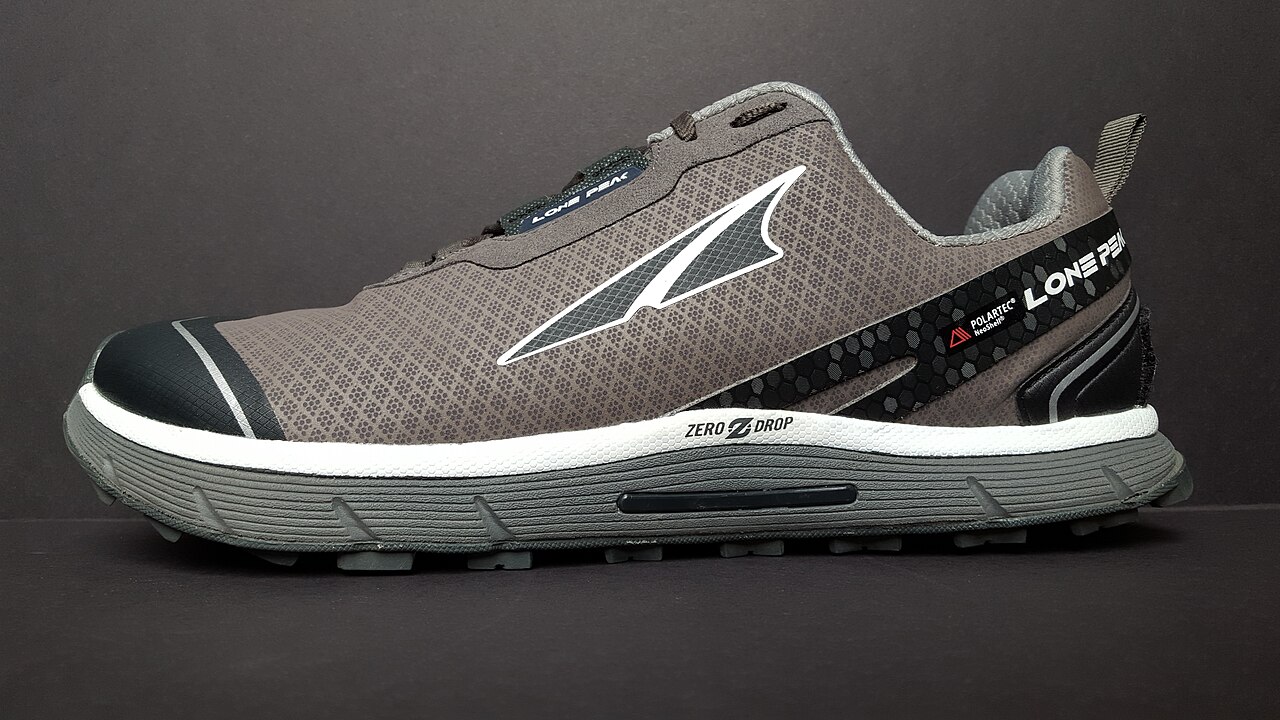
Step on a sharp stone in a soft road shoe and you will feel it straight through the arch. Many trail shoes add a thin, flexible rock plate—or use denser dual-density foam—between the outsole and midsole to disperse sharp impacts from jagged rocks and roots without turning the shoe into a rigid board.
4. Upper Durability and Toe Protection
Road shoe uppers focus on breathability and minimal weight, using airy engineered mesh that keeps feet cool during tempo runs and summer marathons. Put that thin mesh against thorny brush, granite scree, or wet mud, and it can tear within a few outings.
Trail uppers use tighter-woven abrasion-resistant fabrics, reinforced synthetic overlays around the midfoot for lockdown on steep descents, and a firm rubberized toe bumper to protect your toes when you inevitably kick a hidden root or rock.
Can You Wear Road Shoes on Trails—or Trail Shoes on Roads?
Yes, within limits, and understanding those boundaries saves you from buying redundant gear.
- Road shoes on easy trails: If your “trail” is a dry, packed crushed-gravel bike path or smooth dirt park loop, standard road shoes work fine. Once the path gets steep, muddy, sandy, or covered in loose rock, road outsoles slide easily and lack side-to-side support.
- Trail shoes on pavement: You can safely run short paved connector miles in trail shoes, especially hybrid “door-to-trail” models with shallow 2.5mm–3.5mm lugs. However, running daily high mileage on asphalt in deep-lugged trail shoes wears down the softer sticky rubber rapidly and feels clunky compared to a dedicated road trainer.
How to Choose Based on Your Running Profile
Choose Road Running Shoes If:
- More than 80% of your weekly miles happen on sidewalks, asphalt roads, tracks, or paved greenways.
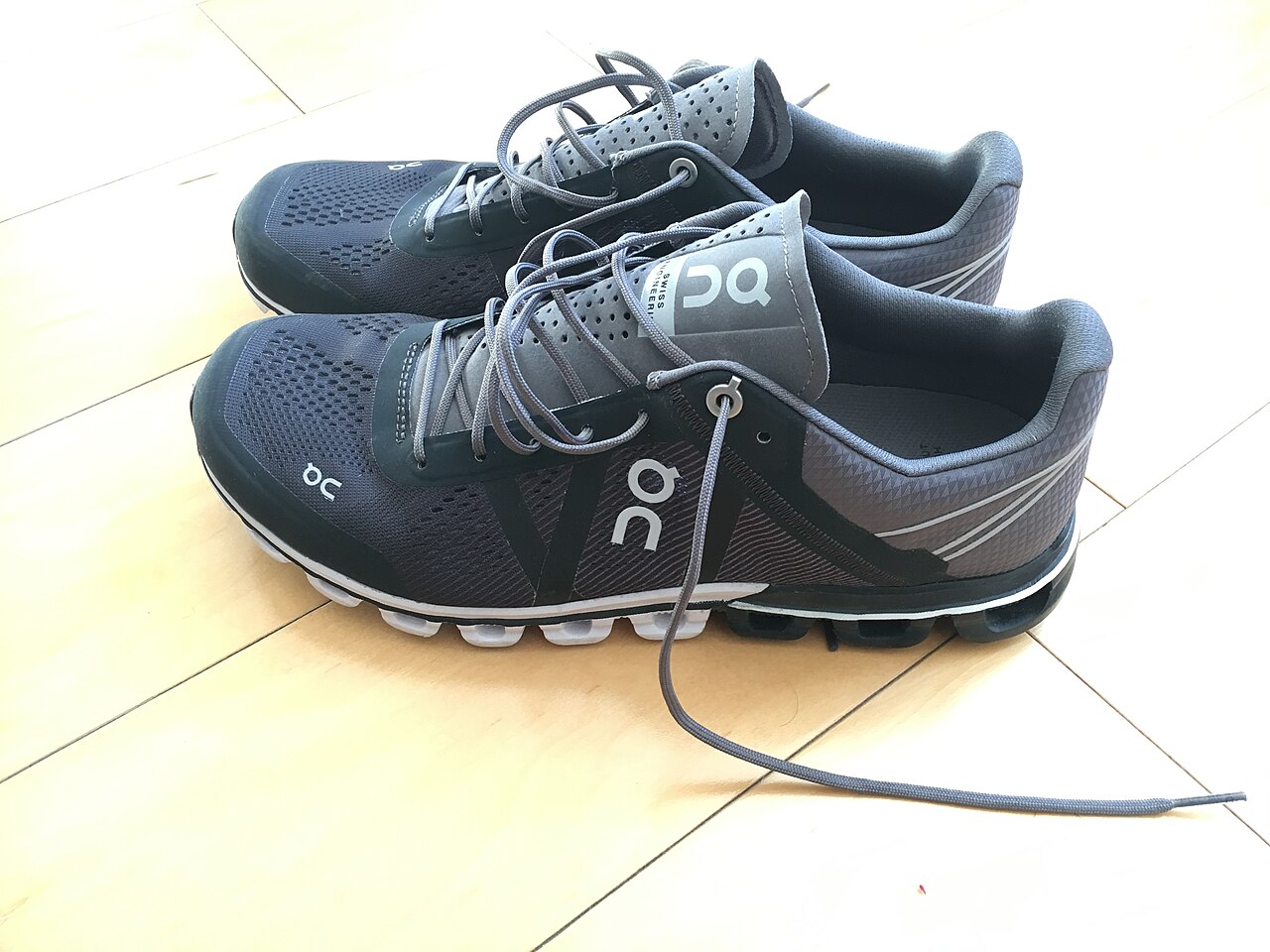
- You are training for road races (5K, 10K, half marathon, or marathon) where lightweight responsiveness and smooth heel-to-toe transitions matter.
- Your primary off-road detour is dry, flat packed gravel rather than technical terrain.
Choose Trail Running Shoes If:
- You regularly run on singletrack dirt, steep hills, rocky climbs, wet leaves, snow, or muddy forest paths.
- You want confident braking traction on steep descents and extra ankle stability on uneven surfaces.
- You hike and fastpack as much as you run—many hikers prefer trail runners over heavy boots for three-season mountain miles because they dry faster and reduce foot fatigue.
Consider a Door-to-Trail Hybrid If:
- Every run starts with one to two miles of neighborhood pavement before reaching local dirt trails. Look for moderate 3mm–3.5mm lugs, balanced cushioning, and durable rubber compounds that survive mixed surfaces without feeling harsh on concrete.
Four Fit Details That Matter More Than Spec Sheets
Even the highest-rated shoe fails if the fit fights your foot shape. Before committing to a pair, pay close attention to four practical checks:
- Leave a thumb’s width in front of your longest toe: Feet swell during long runs, and downhill trail sections push toes forward into the front of the shoe. Too-short shoes lead quickly to bruised toenails.
- Test midfoot lockdown without over-tightening laces: Your heel should stay planted without slipping, while the forefoot still has room for your toes to splay naturally on impact.
- Match heel-to-toe drop to what your legs already know: Most road and trail trainers sit between 6mm and 10mm drop, while minimalist and maximalist designs drop down to 0mm–4mm. Dropping dramatically overnight shifts load onto your calves and Achilles tendon, so transition gradually if you change drop height.
- Think about drainage over waterproof membranes in warm weather: Waterproof (Gore-Tex) trail shoes block morning dew and shallow snow well, but if water splashes over the collar in a stream crossing, waterproof membranes trap it inside. Breathable, quick-draining mesh paired with wool running socks is often more comfortable across three seasons.
When Should You Replace Running Shoes?
Most road running shoes deliver roughly 300 to 500 miles before the midsole foam compresses enough to lose rebound and impact protection. Trail shoes often last a similar distance in the midsole, though aggressive rocky terrain can chew up outsole lugs or upper seams earlier—or later if you run mostly on forgiving pine needles and soft dirt.
Instead of watching only the calendar, watch for uneven outsole wear, new aches in your knees or shins after routine distances, or visible creasing and flattening in the foam along the side of the midsole.
Bottom Line
Start with the surface where you log most of your miles. A cushioned, well-fitting road trainer protects your legs against relentless pavement impact, while a grippy, stable trail shoe turns roots, mud, and steep climbs into terrain you can run with confidence. If your routes split evenly between city streets and dirt paths, a two-shoe rotation will extend the life of both pairs—and keep every mile feeling sharper and safer.
Author

Related Posts

Petzl IKO Core Headlamp: Lightweight Innovation for Trail and Beyond
Nighttime outdoor activities like running, hiking, or climbing demand reliable illumination. The Petzl IKO Core headlamp, from a brand renowned for quality...
Read out all
LIVSN Reflex Pants: Blending Everyday Comfort with Outdoor Performance
In the competitive landscape of activewear, the LIVSN Reflex Pants aim to carve a niche by merging functionality, sustainable material choices, and...
Read out all
Salomon Aero Glide 2: Responsive Cushioning for the Road
The Salomon Aero Glide 2 is engineered as a road running shoe that aims to deliver a blend of plush cushioning, lightweight...
Read out all