
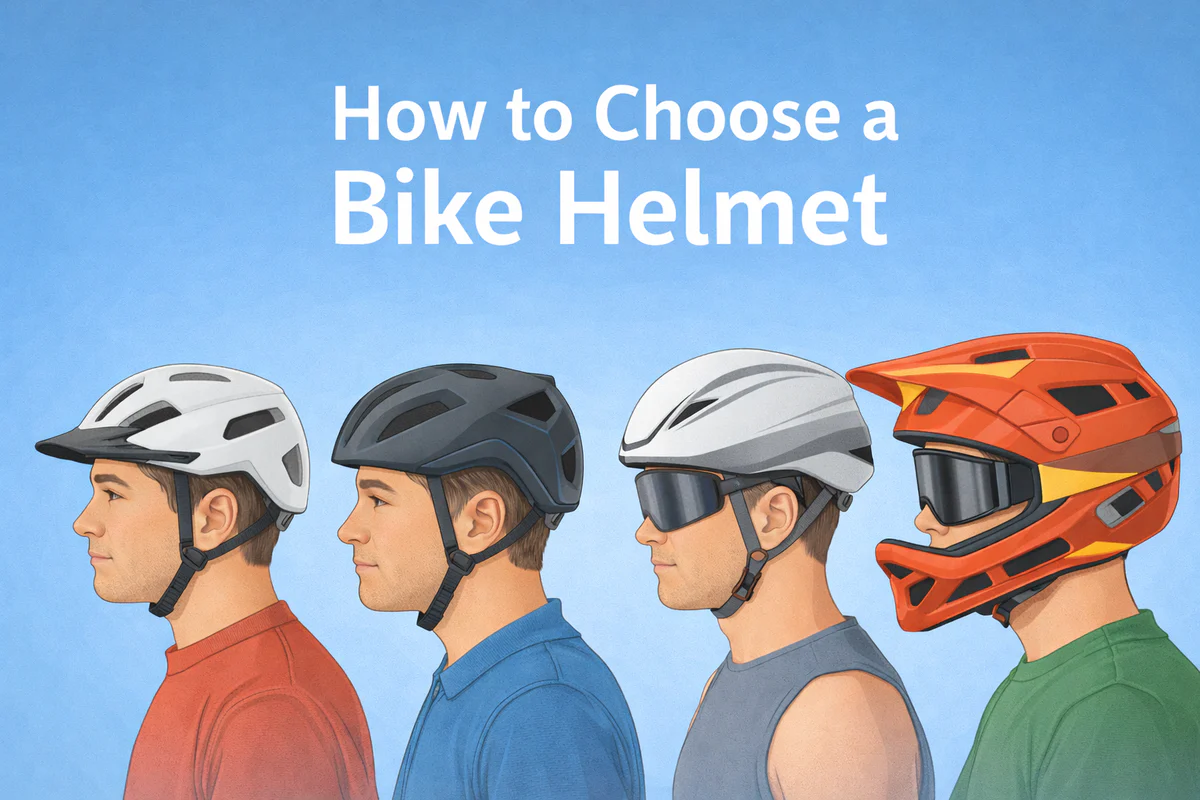
A cycling helmet is one of the simplest pieces of gear you can buy, but choosing the right one is not always simple. Walk into a bike shop or browse online, and you’ll see helmets promising lighter weight, better airflow, aerodynamic shapes, built-in lights, premium padding, and advanced impact systems.
Some of those features are useful. Some are nice to have. But when it comes to safety, only a few things really matter.
This guide breaks down what to look for in a cycling helmet, what features are worth paying attention to, and what you should never compromise on before your next ride.
1. Start With the Safety Certification
Before looking at color, price, brand, or ventilation, check the safety certification.
In the United States, bicycle helmets are required to meet the CPSC bicycle helmet standard, officially listed as 16 CFR Part 1203. This standard exists to reduce the risk of serious head injury or death from impacts during bicycle crashes.
For American riders, the simplest rule is this:
Look for a CPSC certification label inside the helmet.
A helmet without a recognized safety label may look like a cycling helmet, but you should not trust it for real riding. This is especially important when buying low-cost helmets online, where product photos and marketing claims can be misleading.
2. Fit Matters More Than Fancy Features
The safest helmet is not always the most expensive one. It is the one that fits your head properly and stays in place during a crash.
A good helmet should sit level on your head, low enough to cover most of your forehead, without tilting backward. NHTSA’s helmet fitting guidance uses the “two-finger rule”: the helmet should sit about two fingers above your eyebrows. The straps should form a “V” around your ears, and the chin strap should be snug enough that only one or two fingers fit underneath.
When trying on a helmet, check for these signs:
- It feels snug but not painful.
- It does not rock side to side.
- It does not slide backward when you push on the front.
- It does not block your vision.
- The straps can be adjusted cleanly under your ears and chin.
If a helmet technically has great safety features but does not fit your head shape, keep looking.
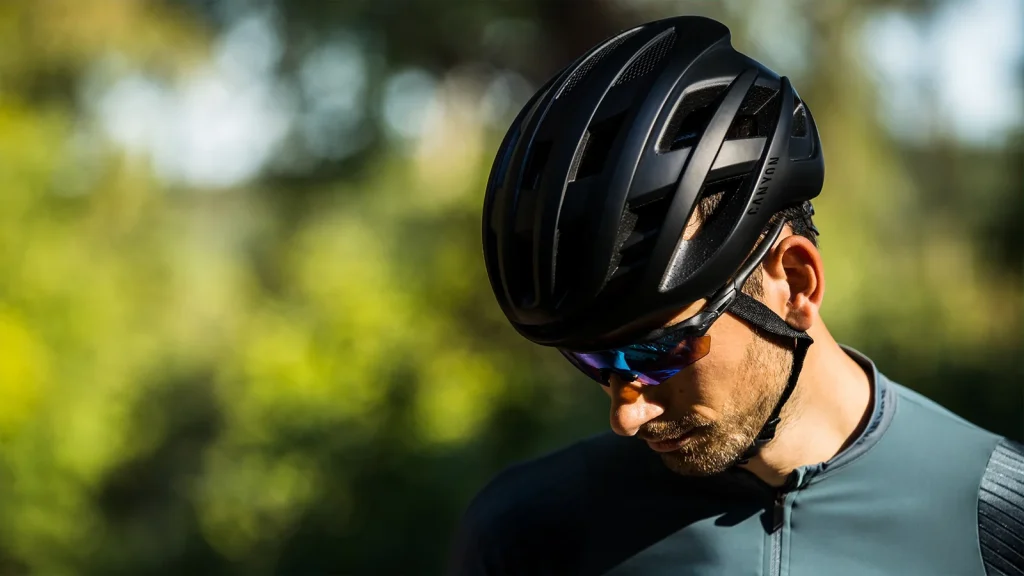
3. Rotational Impact Protection Is Worth Considering
Many modern helmets include systems designed to help reduce rotational forces during angled impacts. The best-known example is MIPS, but other brands use different systems, including WaveCel, KinetiCore, SPIN, Spherical, and similar designs.
Rotational impact systems are not magic, and they do not guarantee protection from concussion. However, independent helmet testing has shown that helmets can vary meaningfully in how well they manage both linear and rotational forces. Virginia Tech’s Helmet Lab rates bicycle helmets using a STAR system, which considers impact conditions and how helmets reduce head acceleration. Lower STAR scores indicate better performance in their testing.
A 2024 study comparing bicycle helmets found that helmet performance varied significantly, and while many of the best-performing helmets used MIPS, not every MIPS helmet was among the top performers. In other words, rotational protection is valuable, but the overall helmet design still matters.
My practical advice:
Choose a helmet with rotational impact protection if it fits well and fits your budget, but do not buy based on the logo alone.
4. Choose the Right Helmet for Your Riding Style
Different types of cycling create different risks. A casual commuter, a road cyclist, a mountain biker, and an e-bike rider may all need slightly different helmet features.
Road Cycling
Road helmets usually prioritize low weight, ventilation, and comfort over long distances. If you ride in hot weather or climb often, airflow matters because an uncomfortable helmet is more likely to be worn incorrectly — or left at home.
Look for:
- Good ventilation
- Lightweight construction
- Secure dial-adjust fit system
- Comfortable straps
- CPSC certification
- Rotational impact protection if available
Commuting and Urban Riding
For commuting, visibility and coverage become more important. You are often riding around cars, intersections, driveways, and unpredictable traffic.
Look for:
- Bright colors or reflective details
- Integrated rear light, or space to attach one
- Slightly extended rear coverage
- Easy strap adjustment
- Comfortable fit for daily use
A helmet light does not replace bike lights, but it can help make you more noticeable.
Mountain Biking
Mountain biking often involves lower-speed falls, uneven terrain, trees, rocks, and sudden impacts. Many trail helmets offer more coverage around the back and sides of the head than typical road helmets.
Look for:
- Extended rear coverage
- Strong retention system
- Secure fit during rough riding
- Visor for sun and trail debris
- Good ventilation for climbing
- Full-face option for downhill or bike park riding
For aggressive downhill riding, a standard half-shell helmet may not be enough. A full-face mountain bike helmet offers added jaw and face protection.
E-Bike Riding
E-bikes can increase average riding speed, especially in city traffic. For e-bike commuting, prioritize fit, coverage, visibility, and a secure retention system. At minimum, make sure the helmet meets the required U.S. bicycle helmet standard.
5. Coverage Is Underrated
A helmet should protect the areas most likely to hit the ground in a crash. While every certified helmet must meet impact requirements, design still affects coverage.
For everyday riders, I prefer helmets with slightly deeper rear and side coverage, especially for commuting, gravel, mountain biking, or e-bike use. A helmet that barely sits on top of your head may be light and airy, but it may not inspire the same confidence as one that wraps more securely around your head.
That said, coverage only helps if the helmet fits correctly. A deep-coverage helmet that slides around is not better than a lighter helmet that stays firmly in place.
6. Ventilation and Comfort Affect Real-World Safety
Comfort is not just a luxury feature. If a helmet is hot, heavy, itchy, or awkward, you are less likely to wear it consistently.
Good ventilation matters most for road cycling, summer commuting, and long climbs. Padding matters if you ride frequently. Strap quality matters because rough or twisted straps can irritate your skin and lead to loose adjustment.
Before buying, ask yourself:
Would I actually wear this helmet every ride?
If the answer is no, it is the wrong helmet.
7. Price Does Not Always Equal Protection
More expensive helmets often offer better weight, ventilation, styling, aerodynamics, and premium adjustment systems. But a higher price does not automatically mean better crash protection.
A budget helmet that meets CPSC standards, fits properly, and stays secure can be a smart choice. A premium helmet may be worth it if it adds better comfort, lower weight, improved ventilation, or strong independent safety ratings.
Spend more when the extra money improves:
- Fit
- Comfort
- Ventilation
- Coverage
- Retention system
- Independent safety performance
Do not spend more just because the helmet looks faster.
8. Replace Your Helmet After a Crash
A bicycle helmet is designed to absorb impact. That usually means the foam liner compresses during a crash. The problem is that damage is not always visible from the outside.
NHTSA advises replacing a helmet after a crash where your head hits, even if you cannot see a crack. The Bicycle Helmet Safety Institute gives similar guidance: replace a helmet immediately after a crash or after a hard impact that may have damaged the foam.
You should also replace your helmet if:
- The foam is cracked.
- The shell is separating.
- The straps are frayed.
- The buckle no longer works properly.
- The helmet no longer fits.
- It lacks a recognizable safety certification label.
9. Do Not Ignore Proper Use
Even a great helmet cannot help much if it is worn incorrectly.
Avoid these common mistakes:
- Wearing the helmet too far back on the head
- Leaving the chin strap loose
- Wearing a hat underneath that affects fit
- Buying a helmet that is too large for a child to “grow into”
- Using a skateboard-style helmet that is not certified for cycling
- Continuing to use a helmet after a crash
Helmet use is strongly associated with reduced head injury risk. NHTSA’s Countermeasures That Work notes that a meta-analysis found bicycle helmet use reduced head injuries, serious head injuries, traumatic brain injuries, and the total number of killed or seriously injured cyclists.
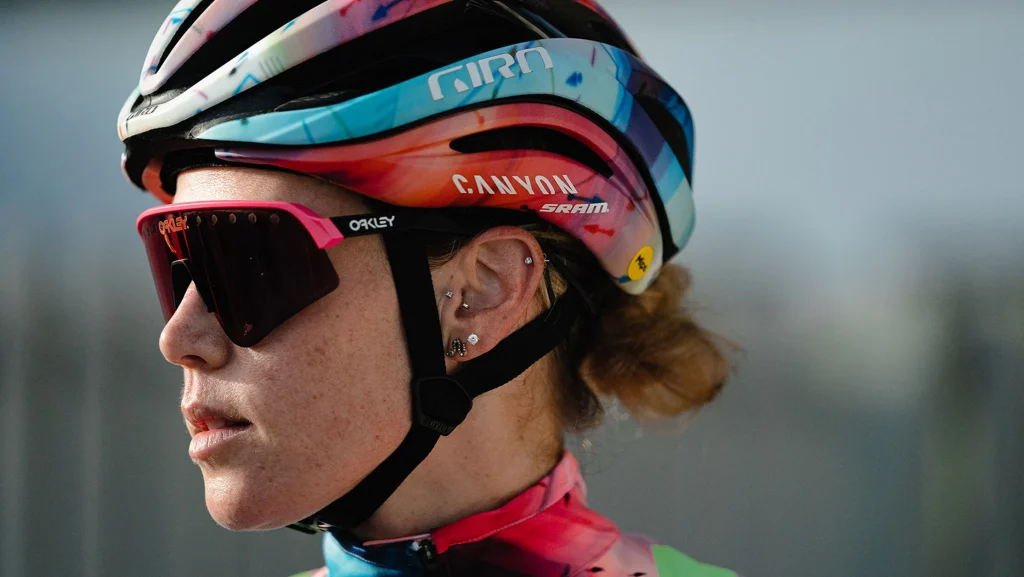
Final Buying Checklist
Before buying your next cycling helmet, run through this checklist:
Must-have:
- CPSC certification label
- Correct size for your head
- Snug, stable fit
- Adjustable straps and secure buckle
- Comfortable enough to wear every ride
Strongly recommended:
- Rotational impact protection
- Good independent safety rating
- Coverage suited to your riding style
- Good ventilation
- Reflective details or light compatibility for commuting
Nice to have:
- Lightweight design
- Aerodynamic shape
- Magnetic buckle
- Premium padding
- Integrated lights
- Sunglasses storage
Bottom Line
The best cycling helmet is not simply the most expensive, the lightest, or the best-looking one. It is the helmet that meets safety standards, fits your head correctly, stays secure, and suits the kind of riding you actually do.
Start with certification. Prioritize fit. Consider rotational impact protection. Choose coverage and comfort for your riding style. Then make sure you wear it every time you ride.
Because the right helmet is not just another cycling accessory — it is gear you buy hoping you never need, but you will be grateful for if you do.
Author

Related Posts

How to Choose Outdoor Gear That Actually Fits Your Adventure
Outdoor gear can get complicated fast. You start looking for a simple backpack, pair of trail pants, cycling helmet or set of...
Read out all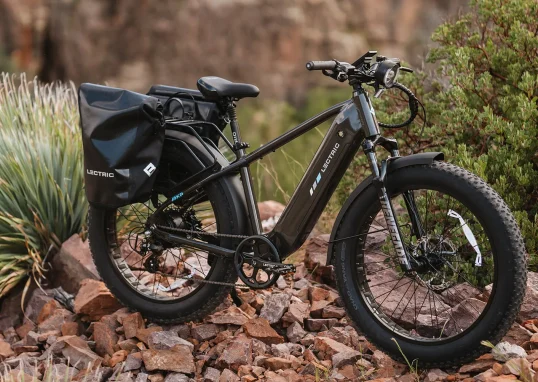
Lectric XPeak High-Step 2.0: Rugged Performance Meets Long-Range Capability
The Lectric XPeak High-Step 2.0 Long-Range eBike enters a competitive market with promises of extended range, robust all-terrain performance, and a host...
Read out all
1UP USA 60″ Hitch-Mounted Cargo Carrier: Robust Design and Versatile Utility
Hitch-mounted cargo carriers offer a practical solution for outdoor enthusiasts needing to expand their vehicle’s carrying capacity. 1UP USA, a brand well-regarded...
Read out all
Smith Trace MIPS Helmet: Advanced Protection and Versatility for Modern Cyclists
The Smith Trace MIPS Bike Helmet is engineered for cyclists seeking a versatile solution that doesn’t compromise on protection or comfort across...
Read out all