
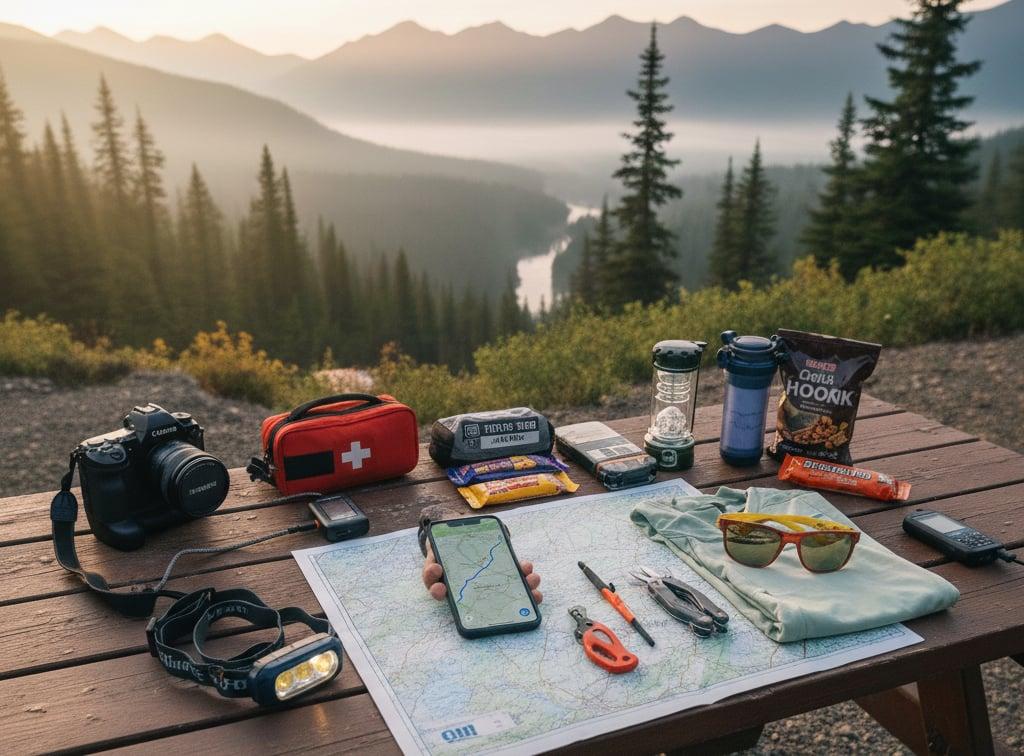
A good day hike does not require an enormous backpack or a complicated collection of outdoor equipment. But packing the right items can make a real difference when the weather changes, the trail takes longer than expected, or you simply need a comfortable break along the way.
The challenge is knowing what to bring without carrying unnecessary weight. Pack too little, and you may find yourself unprepared. Pack too much, and every uphill section becomes harder than it needs to be.
The solution is to build your packing list around the length of your hike, the conditions you expect, and the basic needs you may have along the way.
Whether you are preparing for your first countryside walk or looking to improve your usual routine, here is how to pack a day hiking backpack efficiently.
1. Choose a Backpack That Fits Your Hike
Before deciding what goes inside, choose a backpack that suits your planned outing.
For a short walk on a familiar, well-maintained trail, a compact daypack may provide enough room for water, snacks, an extra layer, and a few essentials. Longer routes or hikes in changeable conditions may require more capacity for additional clothing, food, and safety equipment.
Rather than choosing a bag based on its advertised capacity alone, consider how it fits your body.
Look for adjustable shoulder straps, a comfortable back panel, and a design that allows you to reach frequently used items without unpacking everything. A waist or chest strap can also help stabilise the load, particularly when the terrain is uneven.
Try the backpack with some weight inside before taking it on a long hike. Check that it sits comfortably and does not pull excessively on your shoulders.
You do not necessarily need the newest model or the most technical design. A well-fitting backpack you already own may be perfectly suitable for your usual routes.
2. Start With Water and Food
Water and food should be among the first things you plan because they are essential to managing your energy and comfort throughout the hike.
How much water you need depends on factors such as the weather, distance, elevation gain, your pace, and access to reliable refill points. Hot conditions and strenuous climbs can increase your needs considerably.
Carry enough water for the planned route, with a reasonable margin for unexpected delays. Do not assume that a stream or mountain spring is safe to drink from without appropriate treatment.
For food, choose options that are easy to carry and eat during short breaks.
Good choices include:
- Nuts and dried fruit, taking allergies into account.
- Energy bars or other compact snacks.
- Sandwiches or wraps for a longer lunch break.
- Fresh fruit that travels well.
- Extra food appropriate to the length and difficulty of the hike.
Keep snacks accessible in an outer pocket so you can reach them without removing the entire contents of your bag.
For longer or more demanding hikes, plan your food and fluid intake rather than waiting until you feel exhausted or very thirsty.
3. Pack an Extra Layer and Rain Protection
Weather conditions can change quickly, particularly on exposed trails or at higher elevations. Even when the forecast looks promising, having a suitable extra layer can make an unexpected delay much more comfortable.
A practical clothing setup might include a lightweight insulating layer and a waterproof jacket. The exact combination depends on the season, temperature, wind, and the conditions you expect to encounter.
Instead of packing several bulky garments, choose versatile items that work together.
For example, a lightweight fleece can provide warmth during a break, while a waterproof shell helps protect against wind and rain. In colder conditions, you may need additional insulation, gloves, or a warm hat.
Pack rain protection somewhere accessible rather than burying it at the bottom of your bag. If the weather changes, you want to be able to put it on before you become thoroughly wet.
A dry bag or lightweight waterproof stuff sack can help protect spare clothing and other items from moisture inside your backpack.
4. Keep Essential Safety Items Within Reach
Even a short hike can present unexpected challenges. A twisted ankle, a wrong turn, or a phone with a depleted battery can turn a simple outing into a more complicated situation.
Your backpack should contain a few basic safety essentials appropriate to the route.

Consider packing the following:
- First-aid supplies: Basic dressings, blister care, and any personal medication you may need.
- Navigation tools: A suitable trail map or offline navigation app, with a compass if you know how to use it.
- Phone and backup power: Keep your phone charged and carry a power bank when appropriate.
- Headlamp: Useful if your hike takes longer than expected and you need to walk in low light.
- Emergency whistle: A compact way to signal for help.
- Sun protection: Sunscreen, sunglasses, and a suitable hat when conditions require them.
For remote routes, difficult terrain, or hikes with limited mobile reception, you may need additional equipment and a more detailed emergency plan.
Check local trail conditions before departure, tell someone where you are going, and provide an expected return time. If your route requires specialist equipment or skills, make sure you have both before setting off.
5. Organise Your Backpack by Frequency of Use
One of the easiest ways to improve your packing routine is to stop treating the backpack as a single storage compartment.
Think about which items you will need frequently and which ones you may only use in an emergency.

Outer pockets: Frequently used items
Water bottles, snacks, tissues, sunscreen, and other small items you may need while walking.

Main compartment: Clothing and food
Extra layers, lunch, spare socks, and items you expect to use during planned breaks.

Protected storage: Important essentials
First-aid supplies, electronics, and emergency equipment that should remain protected and easy to locate.
Keep heavier items close to your back and arrange the load so that it does not shift around as you walk. Avoid attaching too many loose objects to the outside of your backpack, as they can snag on branches or become unbalanced.
The goal is not to create a perfectly organised bag. It is to make everything easy to find without having to unpack your entire kit on the trail.
6. Leave Room for Waste and Unexpected Needs
A frequently overlooked part of hiking preparation is planning for the things you will bring back.
Pack a small rubbish bag for snack wrappers, food packaging, and other waste. Follow local guidance for disposing of waste and dealing with human waste where facilities are unavailable.
You may also want to leave some spare space for a removed clothing layer, an empty food container, or other items accumulated during the day.
Avoid filling every pocket before leaving home. A backpack that is packed to capacity can become inconvenient when you need to store something temporarily.
If you hike regularly, you can also keep a small reusable pouch ready for common essentials. This reduces the chance of forgetting important items when preparing for an early start.
7. Adjust Your Packing List to the Season
Your backpack contents should change with the conditions rather than remain identical throughout the year.
| Hiking conditions | Additional considerations |
|---|---|
| Warm, sunny weather | More attention to hydration, sun protection, and lightweight clothing |
| Cool autumn days | Extra insulation, rain protection, and earlier sunset times |
| Cold winter conditions | Appropriate warm layers, gloves, headwear, and route-specific equipment |
| Wet or windy weather | Waterproof layers, protected spare clothing, and suitable footwear |
| Remote or strenuous routes | More detailed navigation, emergency planning, and route-appropriate supplies |
These are general starting points rather than universal packing lists. A short summer walk on a lowland path has very different requirements from a winter hike in exposed mountain terrain.
Check the forecast for the actual hiking area, not just the nearest town. Consider elevation, wind, daylight hours, and whether the route has safe alternatives if conditions deteriorate.
For challenging winter or mountain routes, ordinary day-hiking equipment may not be sufficient. Make sure your experience and equipment match the conditions.
8. Do a Five-Minute Check Before Leaving
Before heading out, put on your backpack and check that everything is secure.
Walk around for a minute or two. If the bag feels unbalanced, shifts from side to side, or presses uncomfortably against your shoulders, rearrange the contents or adjust the straps.
Then run through a short checklist:
- Is there enough water and food for the planned hike?
- Are the extra layers suitable for the forecast?
- Can you access your navigation tools?
- Is your phone charged?
- Are your essential safety items packed?
- Have you checked trail access and the expected return time?
This quick routine is especially helpful if you hike with different backpacks or prepare for different routes each weekend.
Over time, you will learn which items you genuinely use and which ones can be left at home. Keep the essentials, remove unnecessary extras, and adjust the list whenever your hiking habits or conditions change.
Final Thoughts
Packing a day hiking backpack is less about carrying more equipment and more about making sensible choices.
Start with water, food, suitable clothing, navigation, and basic safety supplies. Organise frequently used items where you can reach them easily, and adjust your kit to the terrain, weather, and length of your route.
You do not need to buy an entirely new collection of outdoor gear to get started. A comfortable backpack, a thoughtful packing routine, and equipment suited to your planned hike can go a long way.
The best-packed backpack is one that helps you enjoy the trail without carrying unnecessary weight or leaving important essentials behind.
Author

Related Posts
How to Build a Layering System for Hiking in Changing Weather
A hiking forecast can look simple when you check it at home. Sunny. 55°F. Light wind. Then you reach the trailhead and...
Read out all
How to Choose the Right Outdoor Gear for Your Next Adventure
Every outdoor adventure begins with a decision: choosing the right gear. Whether you are planning a weekend hike, preparing for a cycling...
Read out all
How to Choose Outdoor Gear That Actually Works in Real Life
Outdoor gear is more than something you buy before a trip. The right jacket, backpack, helmet, pants, shoes or goggles can shape...
Read out all
MeatStick 4X: Precision Wireless Monitoring for Confident Cooking
Achieving perfectly cooked meat, whether grilled, smoked, oven-roasted, or fried, often hinges on precise temperature control. The MeatStick 4X, a smart wireless...
Read out all
Mystery Ranch Metcalf: A Versatile Pack for Demanding Backcountry Adventures
Mystery Ranch is a brand renowned for producing robust and comfortable backpacks designed for demanding outdoor and professional use. The updated Metcalf...
Read out all
GCI Outdoor Comfort Pro Rocker: Elevating Campside Relaxation
The GCI Outdoor Comfort Pro Rocker aims to redefine outdoor seating by offering a significant step up from standard folding chairs. It’s...
Read out all