
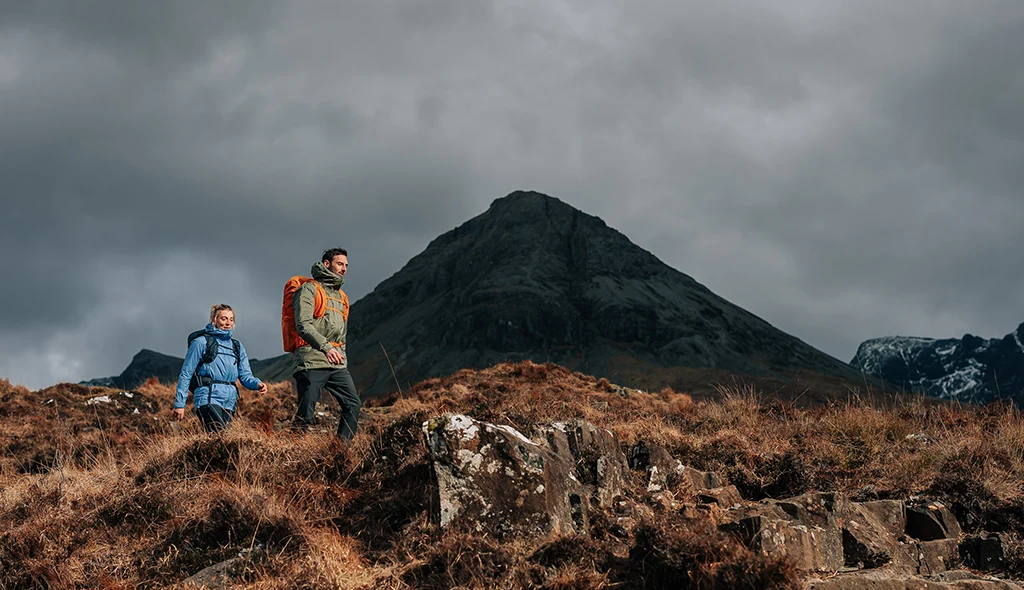
A hiking forecast can look simple when you check it at home.
Sunny. 55°F. Light wind.
Then you reach the trailhead and start climbing.
Twenty minutes later, you are sweating. An hour later, the wind picks up. Clouds roll over the ridge. You stop for lunch and suddenly feel cold even though you were overheating on the climb.
That is exactly why experienced hikers rely on layers instead of one heavy jacket.
A good layering system lets you adjust as your body temperature, activity level, elevation, wind, and weather change throughout the day.
You do not need an expensive closet full of technical clothing to make it work. You simply need to understand what each layer is supposed to do.
Here is how to build a practical hiking layering system without carrying half your wardrobe.
Think in Systems, Not Individual Jackets
A common mistake is asking:
“What jacket should I wear hiking?”
A better question is:
“What combination of clothing will let me adjust throughout the day?”
One jacket may feel perfect when you are standing at the trailhead but become far too warm during a steep climb.
A layering system solves this by giving each piece a specific job.
The traditional system includes:
- A base layer
- A mid layer
- An insulation layer when needed
- A weather-resistant outer shell
You may not wear all four at the same time.
That is the point.
You add and remove pieces as conditions change.
Layer 1: The Base Layer
Your base layer sits directly against your skin.
Its main job is to help manage moisture while you are moving.
When hiking uphill, your body produces heat and sweat. If your clothing stays wet when you stop moving, that moisture can quickly make you uncomfortable as your body cools.
Common base-layer materials include synthetic fabrics and merino wool.
Both can work well, but they feel different.
Synthetic Base Layers
Synthetic hiking shirts tend to dry relatively quickly and are widely available at different price points.
They can be a practical choice for:
- Warm-weather hiking
- High-output activities
- Trail running
- Shorter trips
- Hikers who sweat heavily
Merino Wool
Merino wool is popular because it can feel comfortable across a relatively wide temperature range.
Many hikers also appreciate it on multi-day trips where the same shirt may be worn more than once.
However, merino garments can be more expensive and may require a little more care.
Neither material is automatically “better.”
Choose based on your climate, budget, comfort preferences, and how you hike.
Why Cotton Is Usually a Poor Choice in Cold or Wet Conditions
A cotton T-shirt can feel perfectly comfortable on an easy summer walk.
The problem comes when it becomes wet.
Cotton can hold moisture and dry slowly compared with many performance fabrics. In cool, windy, or changing conditions, that can leave you feeling colder once you stop moving.
That does not mean cotton can never be worn outdoors.
The important thing is understanding the conditions.
For warm, low-risk walks close to home, the consequences may be minimal.
For mountain hikes where temperatures can drop quickly, moisture management becomes much more important.
Layer 2: The Mid Layer
The mid layer provides warmth while still allowing you to move comfortably.
A fleece is one of the most common choices.
Fleece works well because it is relatively light, easy to layer, and available in many different thicknesses.
For active hiking, you often do not need the thickest fleece you can find.
A lightweight or midweight version may be more versatile because you can combine it with other layers rather than immediately overheating.
Good mid-layer options may include:
- Lightweight fleece
- Grid fleece
- Synthetic pullovers
- Lightweight wool sweaters designed for outdoor use
Think of the mid layer as adjustable insulation rather than your final defense against bad weather.
Layer 3: Insulation for Colder Conditions
When temperatures drop further, especially during breaks, you may want a dedicated insulation layer.
This is commonly a down or synthetic insulated jacket.
The important distinction is that insulation is often most useful when you are not moving hard.
A jacket that feels wonderfully warm at a windy viewpoint may be far too hot during a steep climb.
That is why many hikers keep an insulated jacket in their pack and put it on during:
- Lunch stops
- Long breaks
- Cold summits
- Camp setup
- Early mornings
- Unexpected temperature drops
Down vs. Synthetic Insulation
Down is popular because it offers excellent warmth for its weight and compresses into a small package.
Synthetic insulation may retain useful insulating performance better when exposed to moisture and can sometimes be easier to manage in damp environments.
Your choice should depend on the conditions you expect rather than simply which option is more expensive.
Layer 4: The Outer Shell
Your shell protects you from wind and precipitation.
This is where hikers often confuse warmth with weather protection.
A waterproof shell does not necessarily need to be heavily insulated.
In a layering system, its main job is to create a barrier against the outside environment while the layers underneath provide warmth.
This gives you far more flexibility.
You can wear a shell:
- Over only a base layer during warm rain
- Over a fleece during cool wind
- Over insulation during cold, exposed conditions
Look for a shell appropriate for the weather you realistically expect rather than buying features you may never use.
Waterproof and Windproof Are Not the Same Thing
Not every hike requires a full waterproof jacket.
On dry but windy days, a lightweight wind shell can sometimes be more comfortable because it provides protection without the weight or construction of a full rain shell.
A waterproof jacket becomes more important when sustained rain is genuinely possible.
Some hikers carry both on certain trips.
Others choose one versatile shell.
Again, there is no universal setup.
Your gear should match the environment.
Start the Hike Slightly Cool
This can feel counterintuitive.
You arrive at the trailhead on a chilly morning, so your instinct is to put on every warm layer you brought.
Ten minutes into the climb, you are sweating.
Then you stop, and all that moisture starts cooling you down.
When you know you are about to begin a sustained uphill effort, starting slightly cool can help prevent overheating.
You will warm up quickly once you begin moving.
It is usually easier to add a layer when needed than to deal with clothing that has already become soaked with sweat.
Adjust Before You Become Uncomfortable
Do not wait until you are drenched in sweat to remove your fleece.
Do not wait until you are shivering to put on your insulated jacket.
Good layering works best when you make adjustments early.
If the trail begins climbing steeply, remove a layer before you become hot.
If you reach an exposed ridge and feel the wind increasing, add protection before you become cold.
This becomes almost automatic with experience.
You start paying attention not just to the weather, but to what your body is doing.
Do Not Forget Your Legs
Most layering discussions focus on jackets, but your lower body matters too.
For many three-season hikes, a pair of suitable hiking pants may be enough.
In colder conditions, you might add a lightweight base layer underneath.
Rain pants can also be valuable when sustained rain, wet vegetation, or strong wind is expected.
The same principle applies:
Do not automatically wear the warmest combination from the beginning.
Carry enough flexibility to respond to changing conditions.
Socks Are Part of the System
Socks do more than provide cushioning.
They also help manage moisture around your feet.
Wet feet can contribute to discomfort and increase the likelihood of friction-related problems.
Choose socks that work with your footwear and conditions.
Thickness matters.
A thick sock inside a tightly fitting shoe is not automatically warmer or more comfortable if it makes the footwear too snug.
Your hiking shoes or boots, socks, and foot shape all work together as a system.
Hats and Gloves Offer Easy Temperature Control
Small accessories can make a surprisingly large difference.
A lightweight beanie can add warmth without taking up much room in your pack.
Gloves can make exposed ridges or cold mornings much more comfortable.
A sun hat serves a completely different purpose in warm conditions.
Because hats and gloves are easy to add or remove, they are among the simplest ways to fine-tune your comfort without changing your entire clothing setup.
Your Pack Is Part of Your Layering Strategy
A layering system only works if the layers you are not wearing are easy to carry.
You should be able to reach frequently used clothing without completely unpacking your backpack.
For changing mountain weather, keep items such as your shell or insulation somewhere accessible.
If rain starts suddenly, you do not want your waterproof jacket buried beneath your lunch, stove, and spare shoes.
Many hikers organize clothing in a dry bag or lightweight stuff sack to help keep important layers protected inside the pack.
Build Your System Around the Worst Reasonable Conditions
Do not dress only for the weather at the trailhead.
Think about where you are going.
A valley may be warm while an exposed ridge is windy and much cooler.
A sunny afternoon can turn into a cold evening if the hike takes longer than planned.
Check the forecast for the relevant elevation and location when possible, then consider what conditions could reasonably change during your time outside.
You do not need to prepare for every imaginable disaster on a simple day hike.
But you should have enough clothing to handle realistic changes.
Spring and Fall Require More Flexibility
Shoulder seasons can be especially tricky.
Spring mornings may feel like winter while afternoons feel almost like summer.
Fall can bring warm sun, cold shade, wind, rain, and rapidly falling evening temperatures in the same day.
This is where a modular system becomes particularly useful.
Instead of one thick jacket, you might carry:
- Lightweight base layer
- Fleece
- Packable insulated jacket
- Rain shell
Individually, none of those pieces needs to be extremely heavy.
Together, they give you several possible combinations.
More Expensive Does Not Always Mean More Versatile
Technical outdoor clothing can become expensive very quickly.
Premium fabrics and construction may provide real benefits for certain activities, but you do not need the most expensive version of every layer to build an effective system.
Fit and function matter more.
Ask:
- Does it fit comfortably under my other layers?
- Can I move freely?
- Does it dry reasonably well?
- Is it appropriate for the conditions?
- Will I actually carry it?
A moderately priced fleece that you use on every trip may be far more valuable than a specialized jacket that rarely leaves your closet.
Avoid Building Every Layer in the Same Tight Fit
Each layer has to work with the next one.
A base layer can fit relatively close to the body.
Your mid layer needs enough room to fit over it.
Your insulated jacket needs to fit over those layers when necessary.
Your shell needs to cover the entire system without becoming so tight that movement is restricted.
When trying on outer layers, wear the clothing you expect to use underneath.
A shell that fits perfectly over a T-shirt may feel completely different over a fleece and insulated jacket.
Test Your Setup Close to Home
Do not make a difficult mountain day the first time you wear an entirely new clothing system.
Test it on shorter hikes first.
Pay attention to:
- Where you sweat
- Which layers you remove most often
- Whether anything restricts movement
- How quickly clothing dries
- Whether your shell fits comfortably over insulation
- Which pieces stay in your pack every trip
You may discover that you need fewer layers than you expected.
Or you may find one missing piece that would make the whole system work better.
Real-world testing tells you far more than reading a long list of specifications.
A Simple Three-Season Hiking Setup
There is no perfect layering system for every hiker, but a basic three-season setup might look something like this:
While moving in mild weather:
Base layer
When temperatures drop:
Base layer + fleece
During a cold stop:
Base layer + fleece + insulated jacket
During wind or rain:
Base layer + appropriate insulating layers + shell
You change the combination rather than expecting one garment to handle every condition.
That flexibility is the entire idea.
The Best Layering System Is the One You Actually Use
Outdoor clothing can become extremely technical.
You can compare fabric weights, membrane technologies, insulation types, breathability numbers, and dozens of other specifications.
Those details can matter.
But the basic principle remains simple.
Stay comfortable while moving.
Protect yourself when conditions change.
Carry enough flexibility to adjust.
And learn how your own body responds to heat and cold.
A good layering system should not make hiking more complicated.
It should make changing weather easier to manage.
Once you understand what each layer is supposed to do, choosing outdoor clothing becomes much less about chasing the newest gear and much more about building a system that works for the way you actually adventure.
Author

Related Posts
How to Choose the Right Outdoor Gear for Your Next Adventure
Every outdoor adventure begins with a decision: choosing the right gear. Whether you are planning a weekend hike, preparing for a cycling...
Read out all
How to Choose Outdoor Gear That Actually Works in Real Life
Outdoor gear is more than something you buy before a trip. The right jacket, backpack, helmet, pants, shoes or goggles can shape...
Read out all
MeatStick 4X: Precision Wireless Monitoring for Confident Cooking
Achieving perfectly cooked meat, whether grilled, smoked, oven-roasted, or fried, often hinges on precise temperature control. The MeatStick 4X, a smart wireless...
Read out all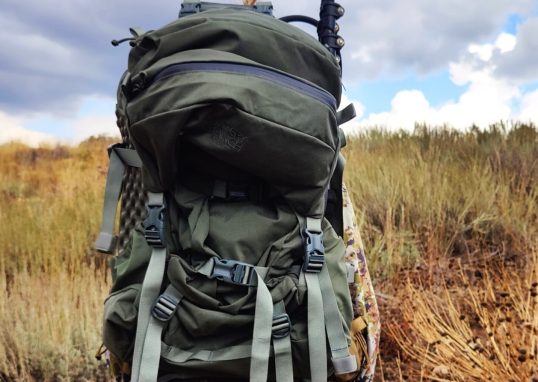
Mystery Ranch Metcalf: A Versatile Pack for Demanding Backcountry Adventures
Mystery Ranch is a brand renowned for producing robust and comfortable backpacks designed for demanding outdoor and professional use. The updated Metcalf...
Read out all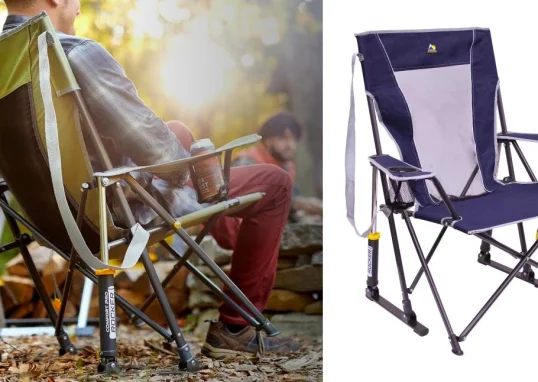
GCI Outdoor Comfort Pro Rocker: Elevating Campside Relaxation
The GCI Outdoor Comfort Pro Rocker aims to redefine outdoor seating by offering a significant step up from standard folding chairs. It’s...
Read out all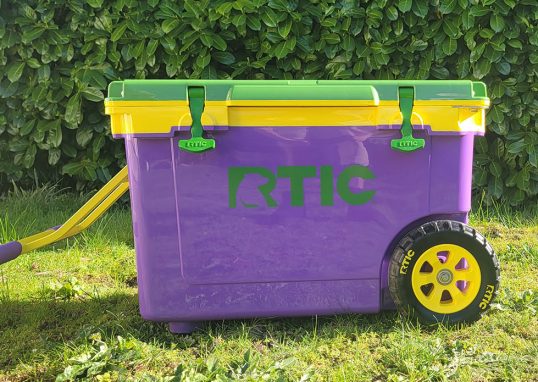
RTIC 72 QT Ultra-Light Wheeled Cooler: Advanced Portability and Extended Cooling
RTIC Outdoors introduces the 72 QT Ultra-Light Wheeled Cooler, a product poised to redefine convenience and performance in portable cooling. This cooler...
Read out all